There are several software tools that are commonly used in embedded software design and development. Some popular ones include:
- Integrated Development Environments (IDEs): IDEs provide a comprehensive set of tools for embedded software development, including code editors, compilers, debuggers, and build systems. Examples of popular IDEs for embedded systems include Eclipse, Visual Studio, and Code Composer Studio.
- Cross-Compilers: Cross-compilers are used to compile source code written in one programming language (such as C or C++) for a different target platform, typically a microcontroller or a specific embedded system. These compilers generate machine code that is compatible with the target platform.
- Debugging Tools: Debugging tools are essential for finding and fixing software bugs in embedded systems. They allow developers to step through code, set breakpoints, inspect variables, and analyze program behavior. Examples of popular debugging tools for embedded systems include GDB, JTAG debuggers, and logic analyzers.
- Simulation and Emulation Tools: Simulation and emulation tools allow developers to test and validate their embedded software without requiring access to the actual hardware. These tools simulate the behavior of the target system and can help identify issues before deploying the software onto the actual hardware. Examples of popular simulation and emulation tools include QEMU, VirtualBox, and Simulink.
- Version Control Systems: Version control systems are used to manage changes to source code and collaborate with other developers. They allow multiple developers to work on the same codebase, track changes, and roll back to previous versions if necessary. Examples of popular version control systems for embedded software development include Git, Subversion, and Mercurial.
These are just a few examples of the software tools used in embedded software design and development. The specific tools you choose will depend on your project requirements, target hardware platform, and personal preferences. Explore our blog posts to learn about various software tools.

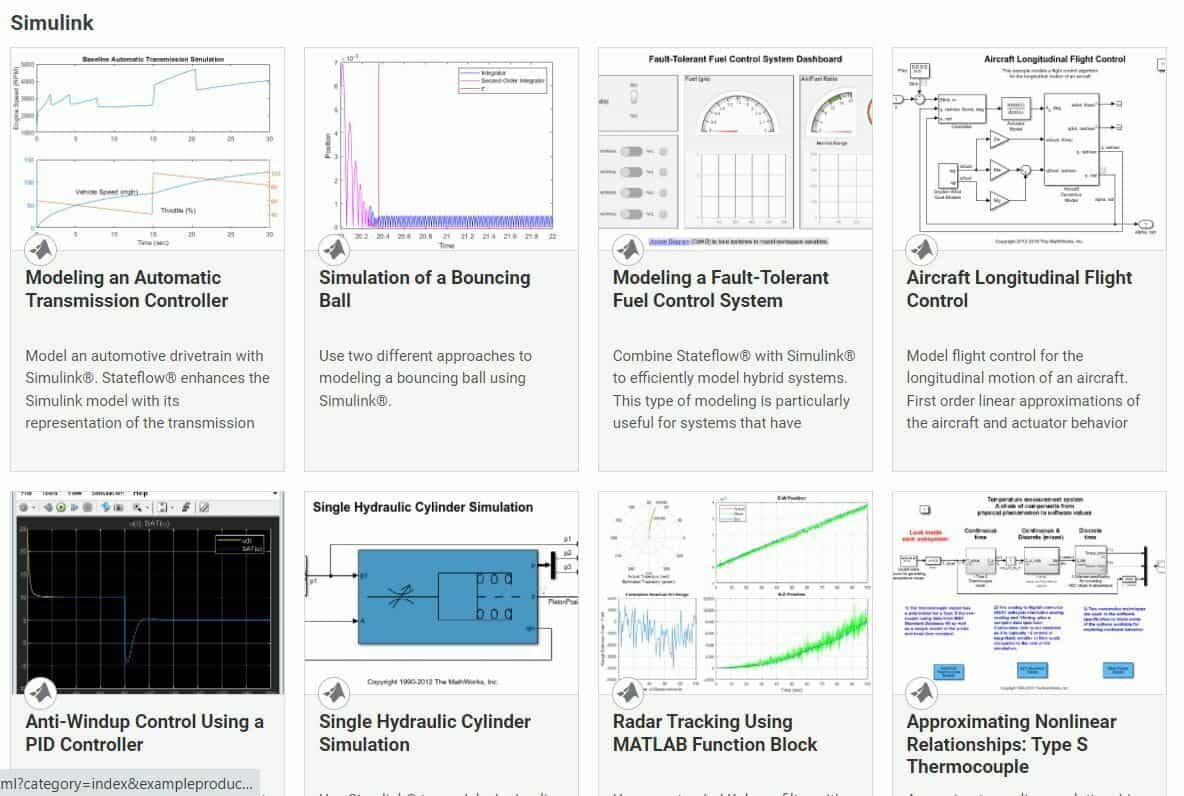
Simulink
Simulink can be used to model systems with multiple inputs and outputs, and it can be used to model systems with varying degrees of complexity. It can also be used to model systems with uncertainty, and it can be used to model systems with feedback.

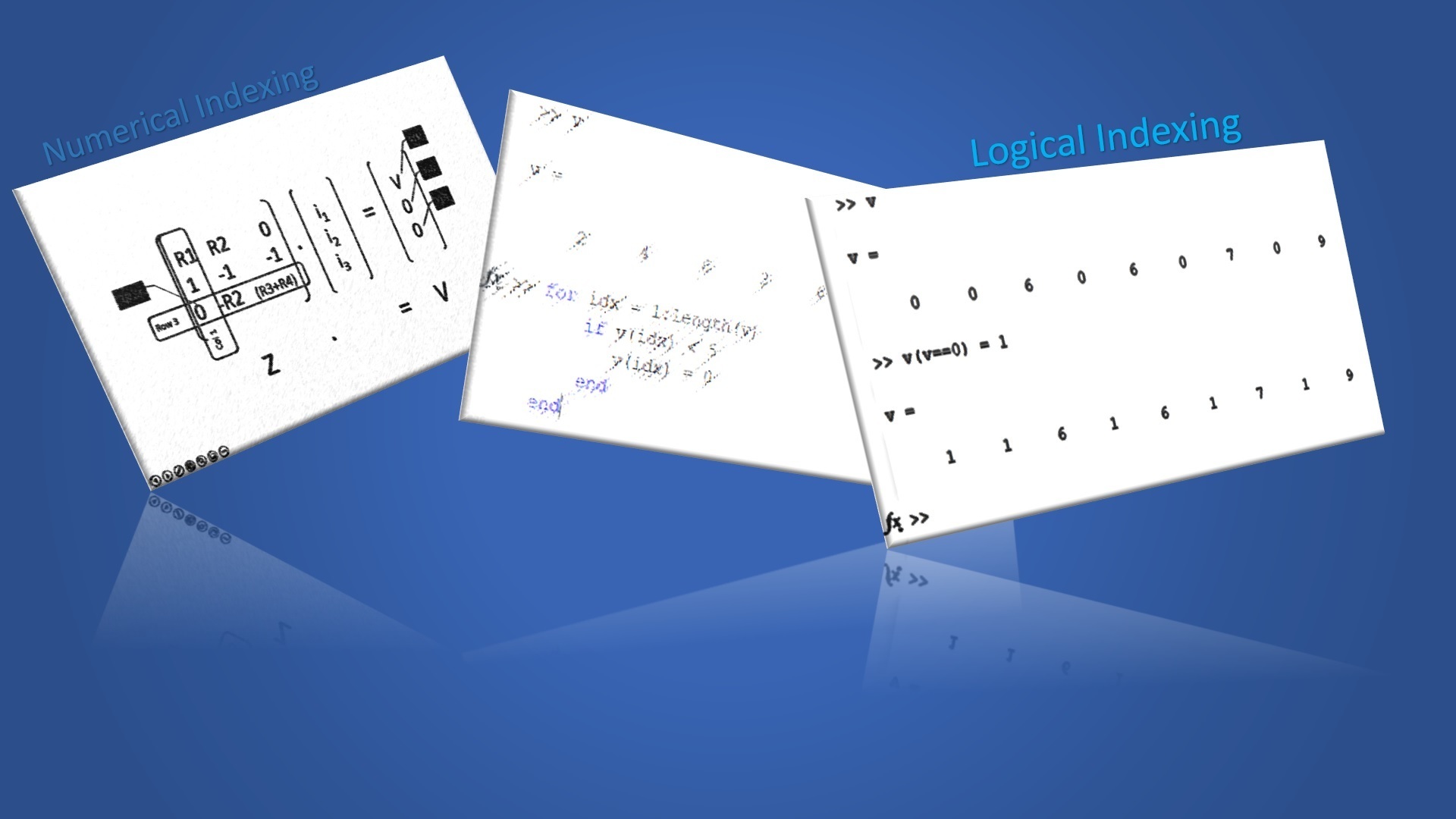
Matlab Logical Indexing
Indexing means selecting a subset of elements from the matrix. Most of us are familiar with numerical indexing used to read or write specific Matrix elements. MATLAB provide logical indexing…
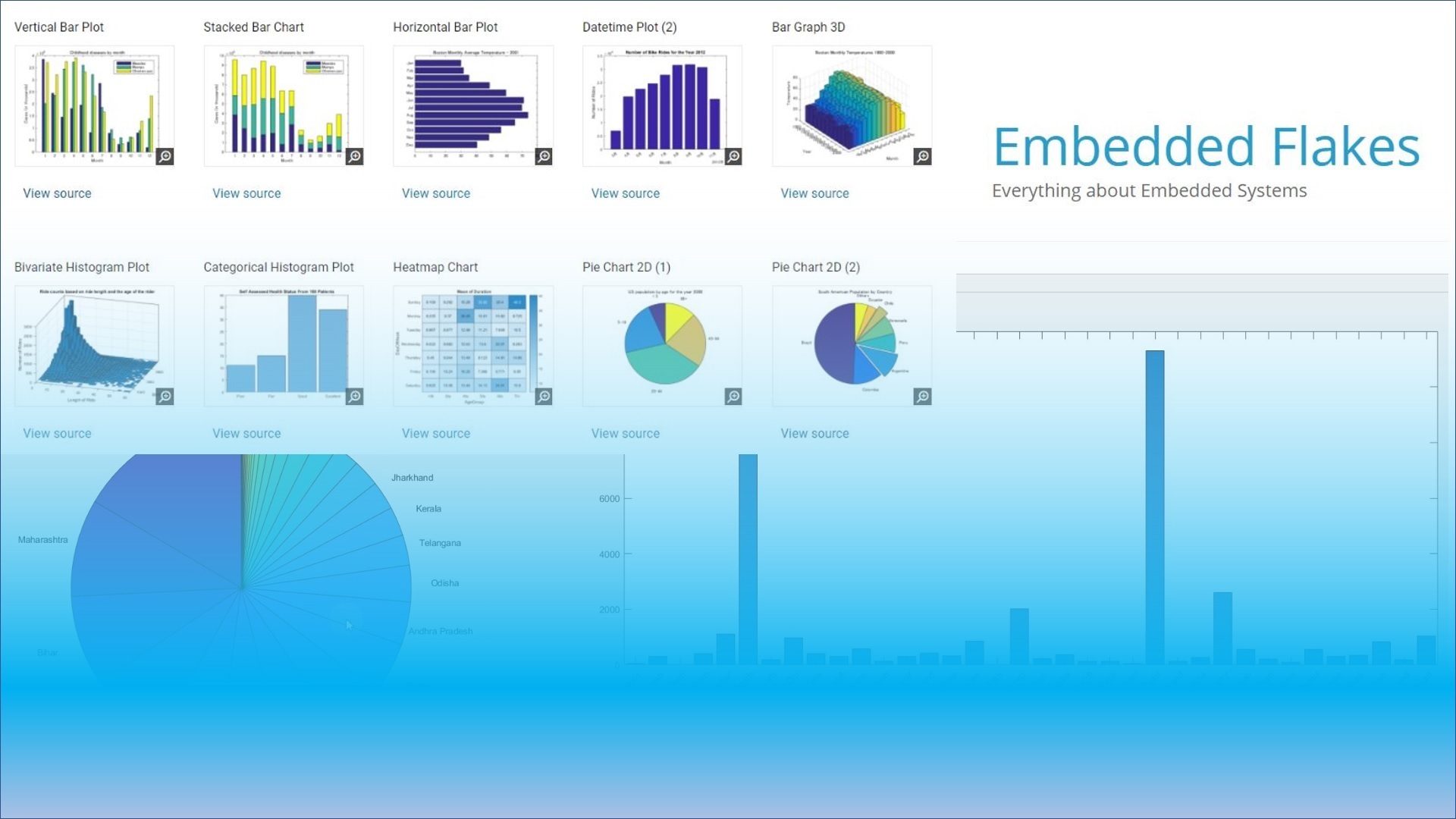
Matlab Plots Feature Image
Why we need plots in MATLAB? The human brain can process and respond to visual data better than any other type of data. The human brain processes image 60000 times…
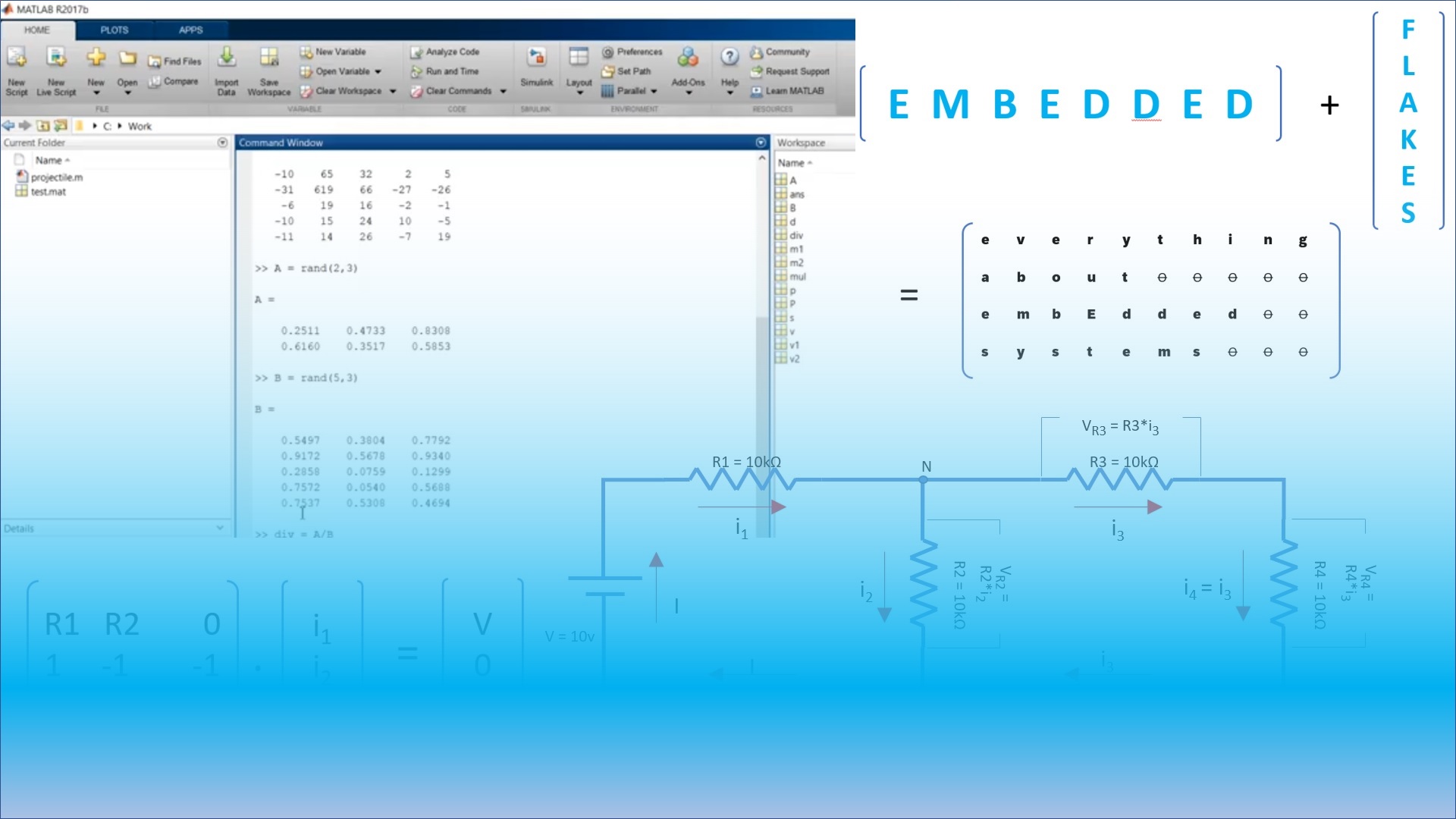
Matrix is very versatile mathematical tool used in diverse fields like robotics, machine learning, mechanics, electronics and so on. In this article, we are going to see different operations we…

Learning MATLAB
MATLAB is a very popular tool used across industries. MATLAB is an environment for all kinds of technical computing like numerical calculations, data analysis, simulation, visualization, and algorithm development. MATLAB…
Version Control, why is it so important in software development life cycle. If you are working in a team or in a collaborative environment then you must have come across…
Introduction We have seen a good list of configuration management tools in the previous post "Top Open Source Solutions for Version Control". Subversion (SVN) is one of the popular and…